

Recognize the warning signs and take practical precautions.
How we help prevent seller impersonation and deed fraud before closing.
Protecting your property
Seller impersonation fraud continues to be an issue in real estate, especially when a property is vacant, non-owner occupied, or free of mortgages and liens. In these cases, fraudsters may pose as legitimate owners and attempt to sell property using email, text messages, stolen personal information, and even misused notary credentials. That’s one reason title professionals play such an important role before a transaction reaches the closing table.

Public Service Announcement issued June 16, 2026 by the FBI’s Internet Crime Complaint Center (IC3)

Warning signs
Some of the most common warning signs include pressure for a quick sale, refusal to speak by phone or appear in person, demands for wired proceeds, inconsistent ownership information, and pricing that seems too good to be true. The fraud risk can be even higher when the seller insists on communicating only by text or email, refuses identity verification, or wants to use their own notary.
Precautions
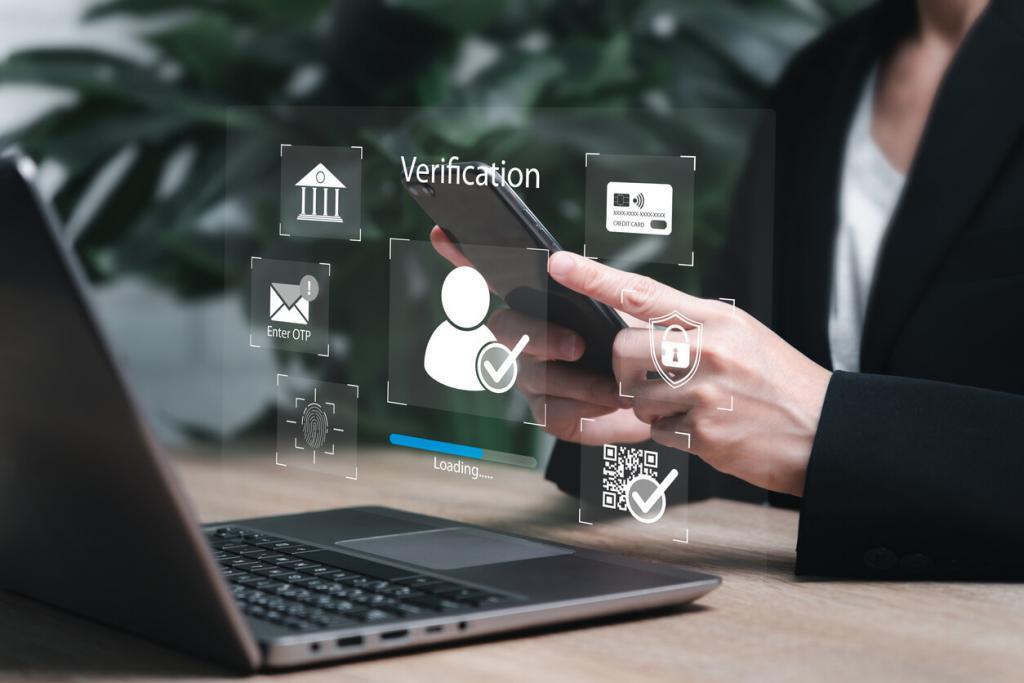
A few simple precautions can help reduce risk: verify the seller using independently confirmed contact information, review public records carefully, compare signatures and sale pricing, and work with experienced title professionals who know how to spot issues before closing. Mailing to verified addresses in tax or property records and adding identity-verification steps can also strengthen the process.

How does Quality Title help reduce fraud risk?
Our steps include:
- Collect and review seller identification;
- Utilize advanced technology to verify seller identification;
- Watch for “red flags” for seller impersonation;
- Monitor seller actions or requests, communication, and executed documents;
- Stay vigilant for inconsistencies before closing.
This work is often invisible when everything goes smoothly, but that’s exactly the point.
Why does title work matter even when everything seems fine?
Seller impersonation, deed fraud, and documentation issues are reminders that real estate transactions require more than speed. They require diligence, verification, and a commitment to protecting property rights.
Our work may look quiet from the outside. But behind that smooth closing is a great deal of research, review, coordination, and care designed to help prevent problems before ownership changes hands.
Have questions about protecting your next transaction? Our team is here to help buyers, sellers, agents, and lenders close with confidence. We also created a flyer that you can download here.
