

If you’re using an FHA loan, the appraisal isn’t just about value. FHA appraisals also focus on health and safety, so small issues can turn into required repairs.
Here’s what the appraiser looks for
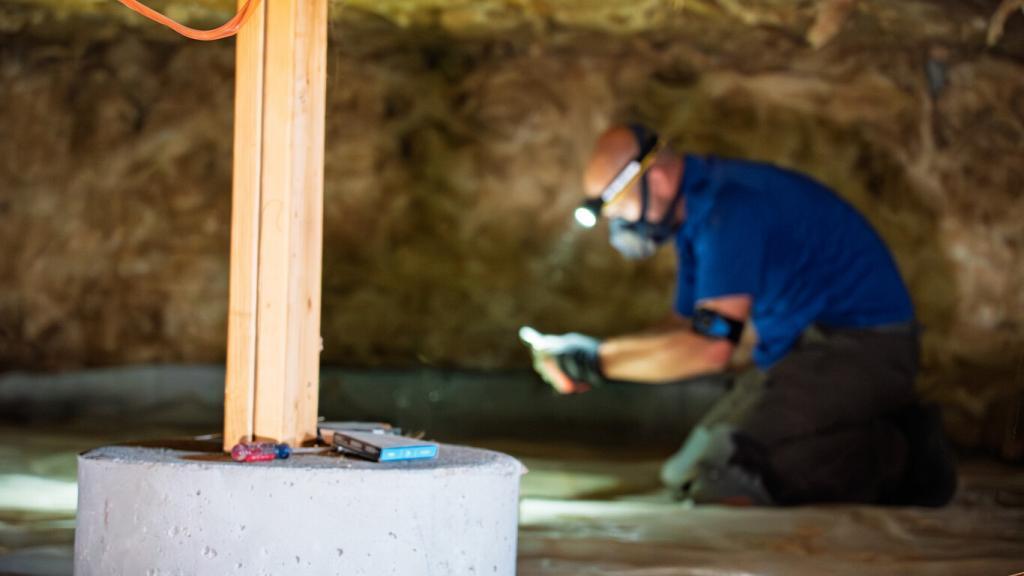
Why FHA appraisals feel “stricter” than conventional ones
With a conventional appraisal, the main focus is usually the home’s value and overall condition. With FHA, the property also has to meet HUD rules that protect the health and safety of the people living there.
To qualify for FHA insurance, the home must follow HUD’s property guidelines, including accessibility criteria. Existing homes must meet FHA Minimum Property Requirements, and new construction must meet Minimum Property Standards.
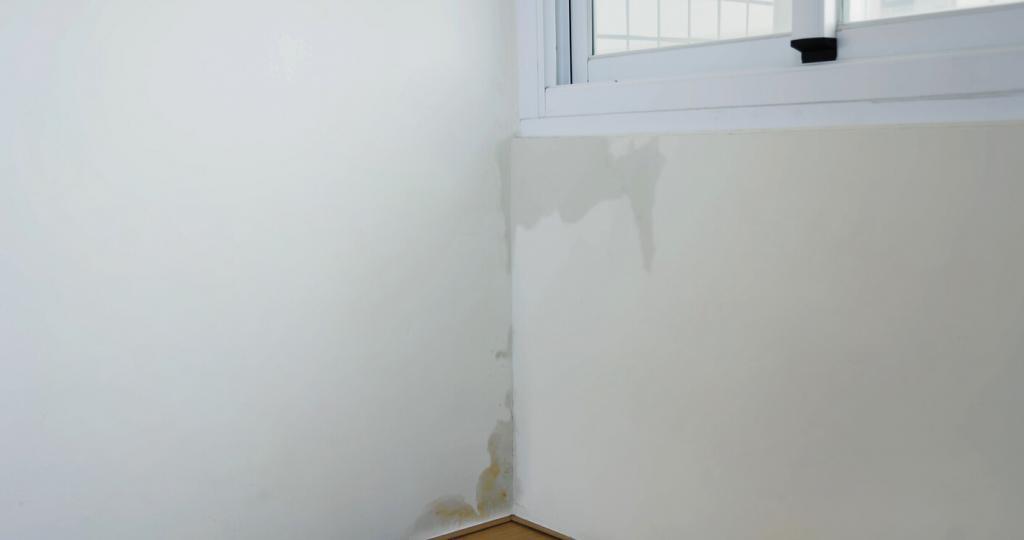
What the appraiser must report (in real life terms)
For FHA, the appraiser is the on site “eyes and ears.” They’re there to confirm the home is safe, sound, and secure based on what they can readily observe during the visit. If they see something that doesn’t meet HUD guidelines, they have to document it.
HUD calls these “defective conditions.” That can include things like defective construction, signs of ongoing settlement, dampness, leaks, decay, termites, environmental hazards, or anything else that could affect health and safety, the structure, or the home as loan collateral.

What happens if something doesn’t meet FHA guidelines
If the appraiser finds a condition that doesn’t comply with HUD’s property criteria, the appraisal can be made “subject to repairs.” That means the required repairs must be listed and described, and photos are included. The appraiser also provides an estimated cost to cure.
If the issue can’t be confirmed clearly during the visit, the lender may ask for an additional inspection by a qualified professional.

Simple ways to reduce surprises
You don’t have to make the home perfect. But you do need to avoid obvious health and safety problems. FHA appraisals pay attention to what’s visible and readily observable.
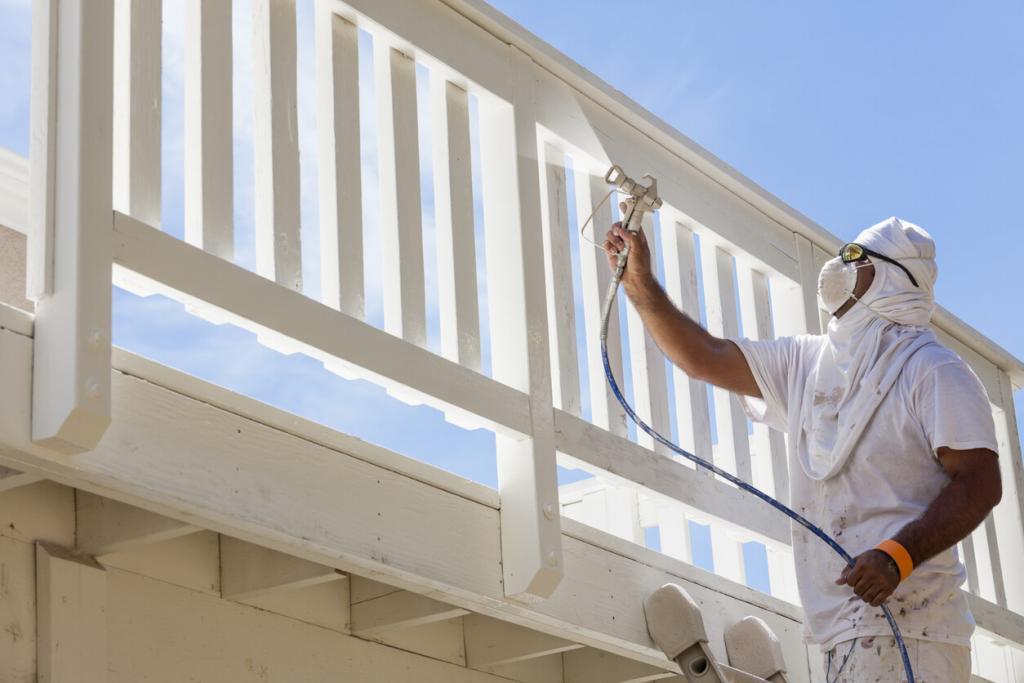
Here are a few practical steps before the appraisal:
- Fix visible safety issues where you can (loose steps, obvious hazards).
- Address active leaks, damp areas, or signs of moisture.
- Take care of major roof or mechanical issues that clearly aren’t working right.
- If the home is older, don’t ignore peeling or chipping paint concerns.
- Make sure the appraiser can access the home and key areas easily.
Want the official source?
For deeper detail, HUD’s guidance is published in HUD Handbook 4000.1, along with the FHA Single Family Housing Policy Handbook (pdf) and the FHA Single Family Housing Policy Handbook Glossary (pdf), available on the HUD website (www.hud.gov).
Want a quick checklist for yourself?
We created these checklists to help you identify common FHA concerns upfront. While they can’t take the place of a qualified professional’s inspection or appraisal, we hope they help demystify the process and support a smoother transaction.
- EXISTING HOMES – FHA checklist: Minimum Property Requirements (MPR) for existing homes (pdf)
- NEW CONSTRUCTION – FHA checklist: Minimum Property Standards (MPS) for new construction (pdf)
At Quality Title & Abstract Agency and The Jordan Real Estate Group, we stay ahead of the curve so you don’t have to. Whether you’re closing a deal or assessing a property’s value, our team is here to support your success.
📞 Contact us today at 732-460-1920 or visit our website to learn more.
